
Public
Understanding cultural perceptions of gambling How beliefs shape behavior
Understanding cultural perceptions of gambling How beliefs shape behavior
The Influence of Culture on Gambling Attitudes
Cultural perceptions of gambling play a significant role in shaping individual attitudes and behaviors toward this activity. In many societies, gambling is viewed as a leisure activity that fosters social interaction and entertainment. For example, in cultures where communal activities are highly valued, such as in some parts of Europe and Asia, gambling can serve as a bonding experience among friends and family. This cultural endorsement encourages individuals to partake in gambling without the stigma that might be prevalent in other regions. The growing popularity of online platforms like Robocat slots further highlights this trend.

Conversely, in societies where gambling is seen as immoral or detrimental to social welfare, such as in some Middle Eastern and Asian cultures, individuals may exhibit a strong aversion to it. This negative perception often stems from religious beliefs that condemn gambling as sinful. For these individuals, even casual participation in gambling activities can evoke feelings of guilt or shame, affecting not only their willingness to engage in gambling but also their overall approach to risk-taking behaviors.
The difference in attitudes can lead to varying levels of participation and regulation. For instance, in countries where gambling is widely accepted, such as Australia and Canada, the industry thrives with a multitude of options and regulations to protect consumers. In contrast, countries with stringent anti-gambling laws face challenges in enforcing these laws, as societal desire for gambling can push individuals to seek illegal options, reflecting a clash between cultural beliefs and individual desires.
Beliefs Shaping Gambling Behavior
The beliefs individuals hold about gambling significantly influence their behavior and choices. Those who view gambling as a legitimate form of entertainment are more likely to approach it with a mindset geared toward enjoyment and relaxation. They are more inclined to participate in recreational gambling activities, such as visiting casinos or playing online games, viewing these experiences as a way to unwind and socialize rather than as a means to make money. This mindset promotes responsible gambling habits, with individuals setting limits on their spending. Robocat casino Canada exemplifies this ethos by creating a welcoming environment for players.
On the other hand, individuals who believe in luck or fate may approach gambling with a different perspective. They might invest excessive time and money, believing that winning is purely a matter of chance rather than skill or strategy. This belief can lead to problematic behaviors, such as chasing losses or developing gambling addictions. Additionally, cultural beliefs that associate gambling with financial prosperity can further exacerbate this behavior, as individuals may be led to believe that successful gambling is a path to wealth and success.
Moreover, cultural narratives surrounding luck and fate can significantly affect how individuals interpret their experiences in gambling. In cultures where luck is celebrated, such as in many Latino communities, individuals might be more prone to continue gambling after a loss, fueled by the belief that their luck will change. In contrast, those from cultures that emphasize personal responsibility and hard work may be more likely to abandon gambling when they encounter losses, viewing it as a risk unworthy of their time and resources.
The Role of Social Norms in Gambling Participation
Social norms and peer influences significantly shape individual participation in gambling. In communities where gambling is commonplace and accepted, individuals are more likely to engage in gambling behaviors themselves. This is often seen in college settings, where peer pressure can encourage students to participate in betting on sports events or playing poker. Social gatherings centered around gambling can create a sense of belonging, making participation more appealing and normalized.
Conversely, individuals raised in environments where gambling is frowned upon may be less inclined to engage in such activities, often missing out on social events that incorporate gambling. As a result, they may feel isolated or excluded from certain social circles. This dichotomy illustrates how powerful social norms can be in either promoting or deterring gambling behaviors, shaping not just individual choices but also broader community practices.
Interestingly, even among individuals who gamble, there can be variations in behavior influenced by social groups. For instance, some may only gamble during special occasions or holidays, viewing it as an integral part of the celebration, while others may integrate it into their routine as a regular pastime. Such variations underscore the complexity of social influences, as individuals navigate personal beliefs, community expectations, and the overarching cultural context in which they live.
Legislation and Cultural Perceptions
Legislation surrounding gambling often reflects the cultural perceptions of gambling within a society. Countries that view gambling favorably typically have more lenient laws and regulations, allowing for a thriving casino industry, sports betting, and online gambling options. These countries may also promote responsible gambling practices to ensure player safety, further normalizing the activity and integrating it into everyday life.
In contrast, nations where gambling is met with suspicion or outright prohibition tend to impose strict regulations, limiting the availability of gambling options. In such cases, illegal gambling can flourish, often leading to unregulated environments where individuals are at greater risk for exploitation and addiction. The tension between cultural beliefs and legislation becomes evident as individuals seek to reconcile their desires with societal restrictions.
This dichotomy also raises questions about the future of gambling in diverse cultural contexts. As globalization spreads, cross-cultural interactions may lead to shifts in attitudes toward gambling, with some traditionally conservative societies beginning to adopt more liberal views. Understanding these dynamics is essential for policymakers and industry leaders as they navigate the evolving landscape of gambling in various cultural contexts.
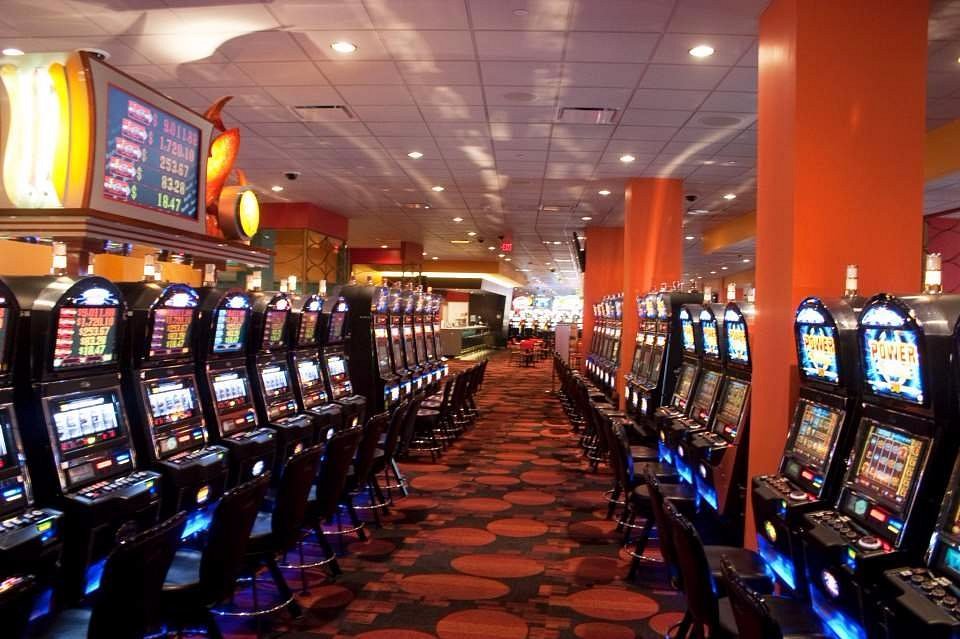
Exploring Robocat Casino in the Canadian Landscape
Robocat casino stands out in Canada as a premier online betting platform, reflecting the country’s diverse cultural attitudes towards gambling. With an impressive selection of over 12,900 casino games, including slots, live dealer games, and traditional table games, it caters to a wide range of players. The cultural acceptance of gambling in Canada allows platforms like Robocat casino games to flourish, providing an engaging environment for both casual players and high rollers alike.
The site offers a generous welcome bonus, emphasizing an inclusive approach to attract new players. This aligns with the cultural perception in Canada that gambling can be an enjoyable and socially interactive activity. By promoting responsible gaming practices and providing a secure environment, Robocat casino review exemplifies how an online platform can respect cultural beliefs while also enhancing the gambling experience for its users.
With robust customer support and various payment methods, Robocat casino aims to create an enjoyable experience while prioritizing player safety. This focus on user satisfaction resonates with the cultural values of community and trust, ensuring that players feel secure and valued. As the Canadian landscape continues to evolve, Robocat casino positions itself as a leader in promoting responsible gambling while embracing the cultural perceptions that shape behaviors surrounding this popular pastime.
